
A familiar language can open a classroom
Learning can begin with the language and experiences children know.
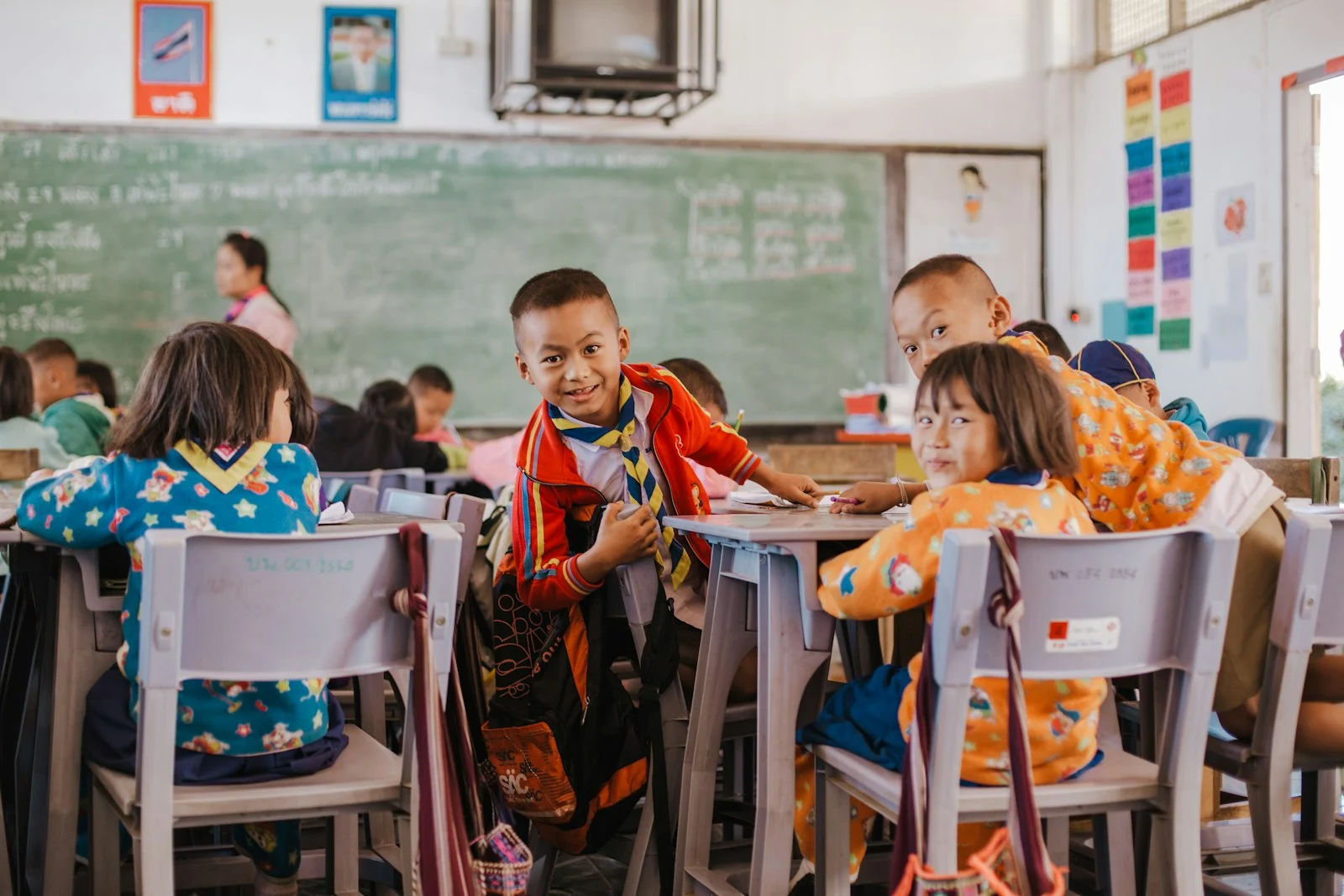
Learning can begin with the language and experiences children know. Appropriate materials, patient companionship and communication between teachers and families help children understand, participate and express themselves.
What this invites us to consider
This invites us to see education as more than books and buildings. Understanding, participation and expression matter too. A thoughtful learning environment starts with the learner, helping language become a bridge to knowledge rather than a barrier to taking part.
Bilingual learning also requires thoughtful connections between languages. Children can first explain ideas in familiar words, then connect them with new vocabulary and reading. Assessment should distinguish language expression from conceptual understanding. Unfamiliarity with the teaching language should not be mistaken for an inability to learn. Respecting language also respects existing knowledge.